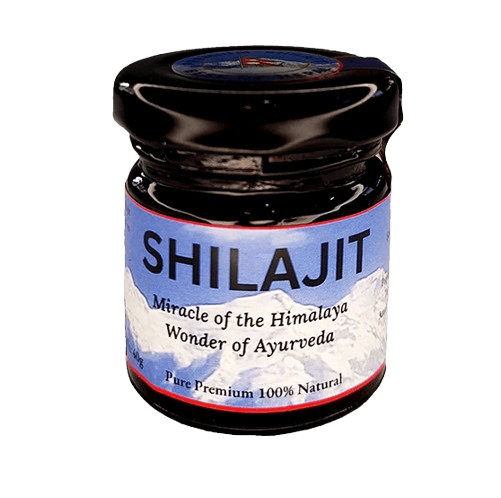
Shilajit is a sticky, tar-like resin that seeps out of rock crevices in high-altitude mountain ranges, most notably the Himalayas. It forms over centuries as plant matter gets slowly compressed and broken down by microorganisms and geological pressure, then leaches out of the rock — especially during the warmer summer months.
Composition: Shilajit is rich in fulvic acid and humic acid, along with a broad spectrum of trace minerals (iron, magnesium, potassium, zinc, and dozens more), plus small amounts of plant-derived compounds. Fulvic acid in particular is often highlighted for its role in helping the body absorb and utilize minerals and nutrients more efficiently.
Origins and tradition: It has a long history in Ayurvedic medicine, where it's classified as a "rasayana" — a substance believed to promote vitality, longevity, and overall rejuvenation. Its use dates back thousands of years across the Himalayan regions of Nepal, India, and Tibet, and it also appears in Tibetan and traditional Chinese medicine under different names.
Common uses today: People typically take purified Shilajit for energy and stamina, cognitive clarity, hormonal balance, and general vitality.
Quality and purification: Raw Shilajit is processed before consumption according to Ayurvedic principles. Traditional purification involves dissolving it in water, filtering out impurities, mixing it with “Triphala” (three herbs of Ayurveda) and slowly evaporating it down — a process that source and craftsmanship affect significantly, which is part of why sourcing and purity verification matter so much for a premium product.
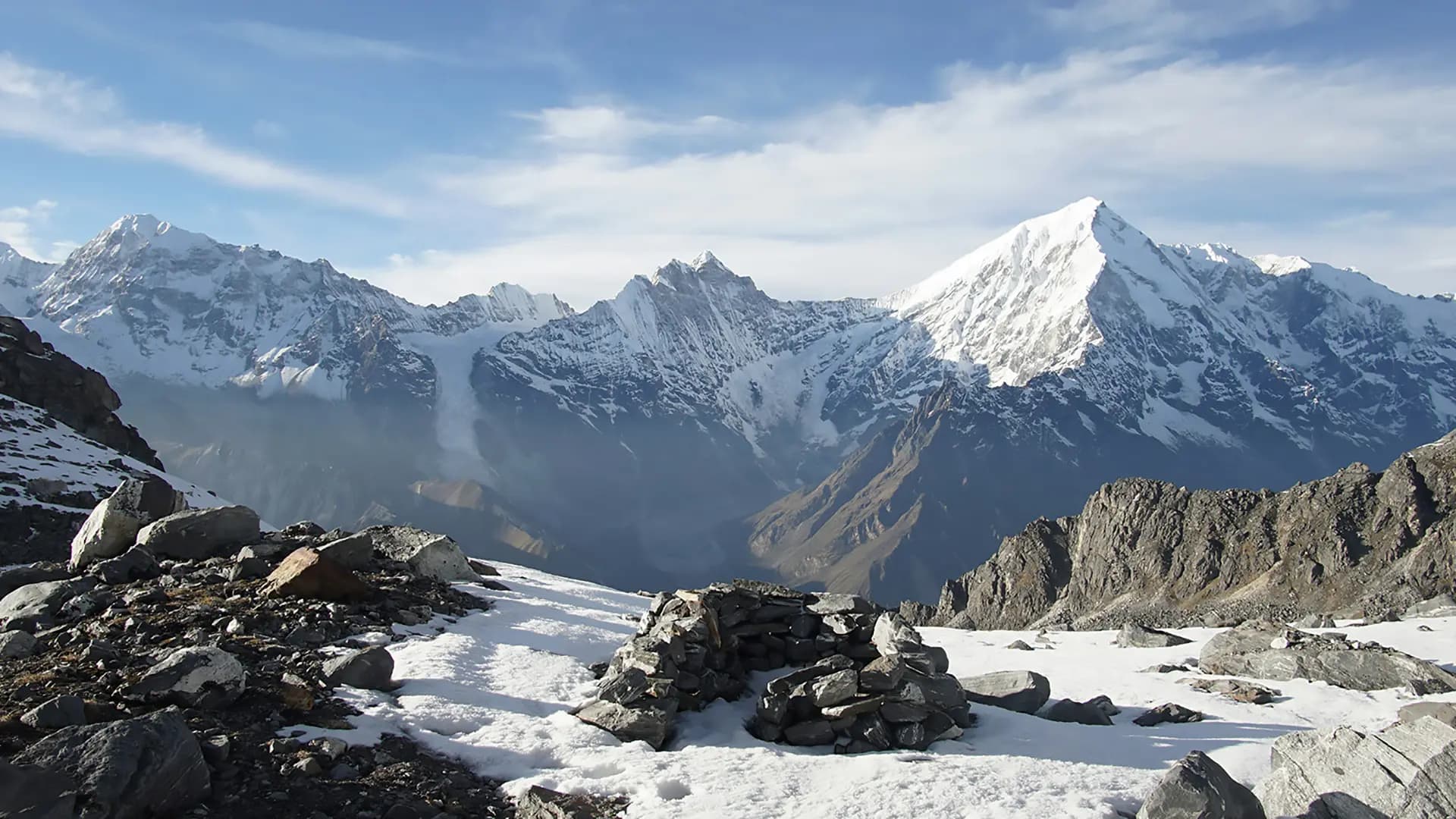
At altitudes above 3,000 metres in the Himalayas of Nepal, our Shilajit is harvested by hand from pristine high-altitude rock faces — then triple-purified to retain its full mineral potency while removing all impurities.